Summary (Key Takeaways)
- Microsoft is testing MDASH, a platform using more than 100 specialised AI agents to find hidden weaknesses inside Windows before attackers do.
- In testing it reportedly uncovered previously unknown, sometimes critical, vulnerabilities, and with unusually few false alarms.
- This is a promising direction, but it is mostly used internally by Microsoft today and will not replace security fundamentals.
- Most breaches still succeed through ordinary gaps: weak passwords, unpatched systems, a misplaced click, poor access controls and missing backups.
- For regulated firms, a defensible, evidenced security position, not the latest trend, is what protects client data and satisfies auditors, insurers and regulators.
A new phase for cyber security, and a fair question for the boardroom
Every so often a development comes along that prompts a genuine boardroom conversation about cyber security, rather than another technical footnote. The idea that artificial intelligence might soon find and close security weaknesses before criminals ever discover them is exactly that kind of development. It is a compelling prospect, and for firms that carry a duty of care over sensitive client information, it is worth understanding properly rather than dismissing or over-trusting.
The honest answer, though, is nuanced. The technology is real and impressive, but it does not yet change what actually keeps a regulated firm safe. This article explains what is happening, why it matters, and where a sensible professional firm should place its attention and its budget.
How most security tools work today, and why that matters
Most of the protection sitting around your systems right now is fundamentally reactive. Something suspicious happens, a tool notices it, and the system moves to contain the damage before it can spread. That is valuable and necessary work, and it prevents a great many incidents from becoming disasters. But it is, by design, a response to something that has already begun.
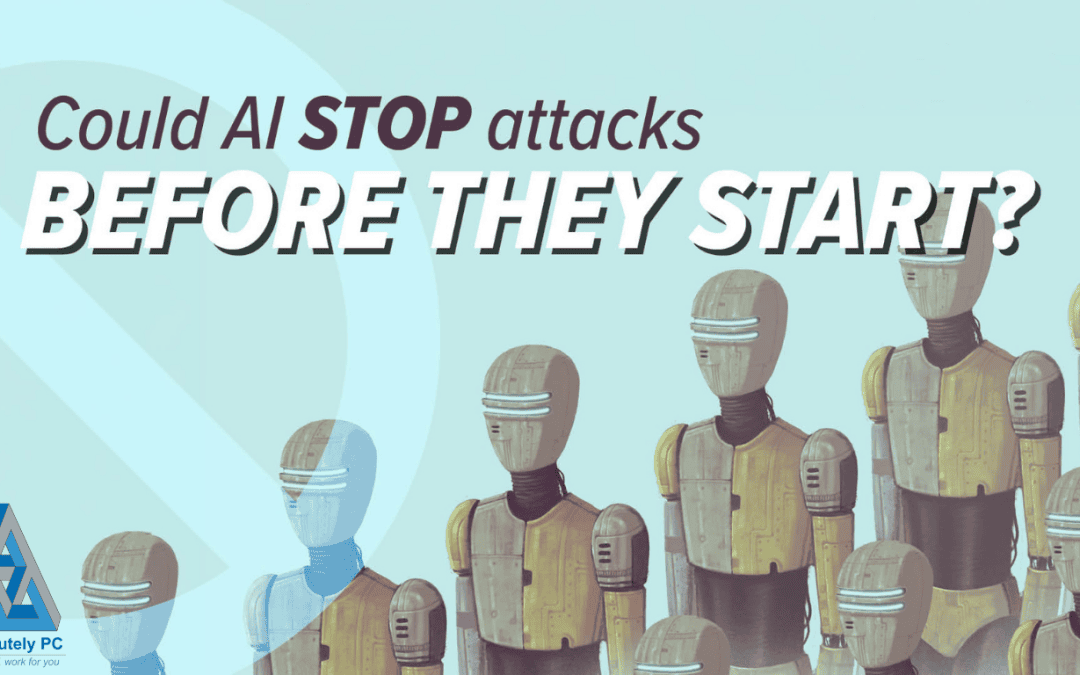
What makes the latest development interesting is that it flips that order. Instead of waiting for an attacker to act, the ambition is to find the weaknesses first, quietly, at scale, and close them before anyone on the outside even knows they exist. For a regulated firm, that distinction between reacting and pre-empting is more than technical. It speaks directly to the governance question of how well you are managing risk before it crystallises into a reportable incident.
What Microsoft is actually building
Microsoft has been developing a platform known as MDASH. The concept behind it is genuinely novel: rather than relying on a small number of human researchers, it deploys more than one hundred specialised AI agents that work together to search for hidden flaws inside Windows. Each agent is designed to inspect a different part of the system, probe for weaknesses, and flag potential vulnerabilities automatically.
Put plainly, Microsoft is using AI to hunt for security holes at a scale that human teams simply could not match on their own. And early indications suggest it works. During testing, the system reportedly uncovered multiple previously unknown vulnerabilities inside important parts of Windows, including flaws that could potentially have been exploited remotely over the internet. Some were considered critical, the kind of weakness that, in the wrong hands, could allow an attacker to take control of systems or run malicious code.
There is a further detail that professionals should appreciate. One of the long-standing frustrations with AI-driven security tools has been false alarms, systems that flag hundreds of “possible issues” that turn out to be nothing, creating noise, wasting expert time and dulling the response to genuine threats. Microsoft claims MDASH has been unusually good at avoiding that problem while still surfacing real risks. For any firm that has watched a security team drown in low-value alerts, that accuracy is arguably as significant as the discovery capability itself.
Keeping it in perspective
Before anyone concludes that AI is about to solve cyber security outright, some perspective is essential. This technology is, for now, being used mainly by Microsoft’s own engineers. It is early, and even if such systems become widely available, they will not sweep away the fundamentals that keep firms safe. Intelligent agents scanning for weaknesses may well become a powerful extra layer of defence, particularly for very large organisations managing sprawling, complex estates. But an extra layer is exactly what it is, not a substitute for the foundations beneath it.
That framing matters enormously in a regulated context. Boards and compliance leads are not judged on whether they adopted the newest tool. They are judged on whether they took reasonable, evidenced steps to protect the information entrusted to them. A shiny capability that is not yet in your hands does not discharge that responsibility.
Why the basics still decide your compliance position
Here is the uncomfortable truth that no amount of AI changes: most successful attacks still get in through thoroughly ordinary gaps. Weak or reused passwords. Systems that were never patched. A member of staff clicking the wrong link on a busy afternoon. Access rights that were granted years ago and never reviewed. Backups that were assumed to be running but never tested. These remain the biggest risks for the overwhelming majority of firms, and they are precisely the areas regulators, auditors and cyber insurers scrutinise.
Patching is the clearest example. A missed or delayed update is one of the most common routes into a professional firm’s systems, and it is one that criminals actively exploit using convincing lures. We have written before about how a seemingly routine update can escalate into a genuine board-level exposure when it is mishandled or impersonated, and why treating updates as a governance matter, not just an IT task, protects both your data and your audit trail. See why a routine update has become a board-level risk.
Credentials are the next pressure point. Long after passwords are meant to be retired, old and reused ones continue to unlock live systems, often without anyone noticing until it is too late. Strong, unique credentials backed by multi-factor authentication remain one of the highest-value, lowest-cost controls a regulated firm can enforce, and one that insurers increasingly expect to see in place. Read why old passwords are still unlocking systems.
Then there is the wider discipline of preparation, knowing your risks, rehearsing your response, and being able to demonstrate that you did so. Good security is not a single product but a repeatable posture: reduce risk, limit the opportunities available to attackers, and make sure the simple things are consistently done well. For a fuller framework on getting ahead of threats rather than reacting to them, our guidance on preparing for cyber threats sets out a practical, risk-first approach that maps neatly onto compliance expectations. Explore our approach to preparing for cyber threats.
A defensible position, not a fashionable one
For regulated firms, the goal is not to be first with every innovation. It is to hold a defensible position, one you can explain calmly to a regulator, an auditor or an insurer, and evidence with records. A fully patched estate, strong passwords, multi-factor authentication, tested backups and sensible, ongoing user-awareness training will protect the typical firm far more effectively than chasing the latest AI trend without those foundations underneath.
None of this diminishes what Microsoft is doing. The future of cyber security will almost certainly involve more AI working quietly behind the scenes, both defending systems and, regrettably, assisting attackers too. That is all the more reason to make sure your fundamentals are strong now, so that whatever the technology does next, your client data and your compliance standing are not the weak point.
What this means for your firm, practically
If you want to translate all of this into action, a short checklist helps. Confirm that patching is centrally managed and monitored, not left to individuals. Verify that multi-factor authentication is enforced everywhere it can be, especially on email and remote access. Review who has access to what, and remove anything no longer justified. Test that your backups actually restore, rather than assuming they do. And keep user-awareness training current, because your people remain both your greatest vulnerability and your strongest line of defence.
Do those things consistently and you will be well protected today, and well placed to adopt AI-driven tools sensibly as they mature, layering them on top of solid foundations rather than hoping they compensate for gaps.
How we can help
If you would like reassurance that your firm’s security genuinely stands up to scrutiny, from patching and access controls through to backups and staff awareness, we would be glad to help you assess where you stand and evidence a defensible position. Get in touch and we will give you a clear, jargon-free picture.
What next?
One of my passions is helping businesses to succeed and if I can help you save some money as well – even better. You can fill out our contact form, phone us or click on the appointment button below and let’s start a conversation to see if I can help your business. Our guarantee:
- There are no hidden charges – this is a 100% free 15 minute consultation with no hidden charges.
- We will never spam you or sell on your contact details.
- We will treat your information with absolute confidentiality.
Other Posts for you to Enjoy